- PolyPassport
- Posts
- This Thai visa promises long-term residency. If you’re willing to fight for it.
This Thai visa promises long-term residency. If you’re willing to fight for it.
Behind the desk at a Muay Thai gym in Bangkok, Nook is turning foreign fighters into long-term residents.
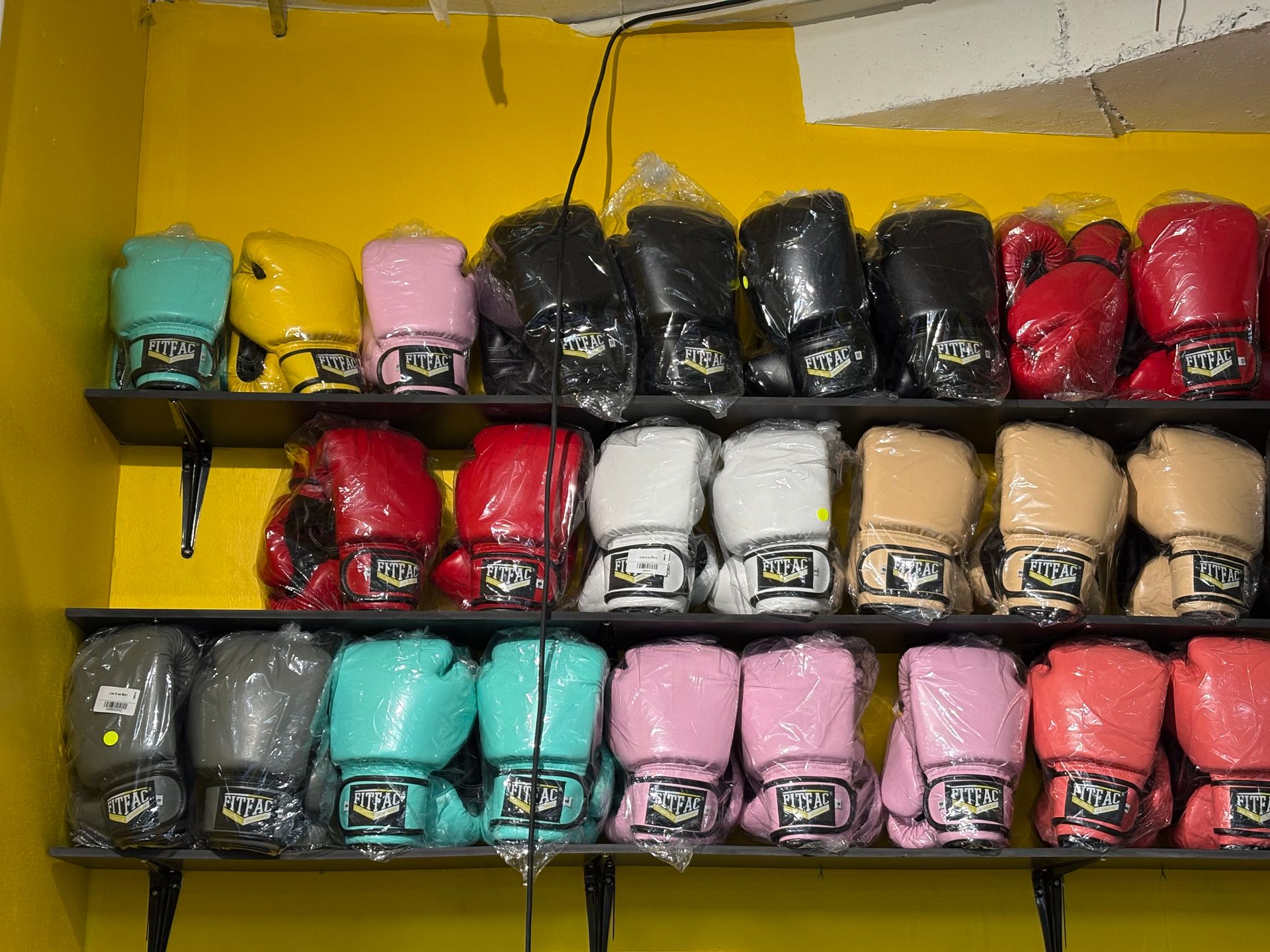
Nook doesn't practice Muay Thai, a combat sport with hundreds of years of history. Some call it the "art of eight limbs," where fists, elbows, knees, and shins are all fair game.
Nook works out, sure, but Muay Thai itself? All eight limbs? Too exhausting, he says with a laugh. “I’m not fit enough.”
Still, from behind the desk at FitFac Gym in Bangkok, Nook has helped around 400 foreigners commit to the sport.
As a staffer at this busy Muay Thai gym, he spends a good chunk of his time helping people apply for the country's Destination Thailand Visa (DTV) — a five-year, multi-entry visa allowing stays of up to 180 days per entry.
It's part of the government's soft power push, Nook says. Thai officials wanted to stimulate the economy and support traditional cultural activities, so they created a visa that lets foreigners stay long-term in exchange for committing to one of them — Muay Thai, Thai cooking class, and others.
But it’s Muay Thai, more than anything else, that seems to have captured the imagination.
At Nook’s gym alone, applicants have come through from around the world. About 70% of clients are women, he says. Some want to lose weight. Others just enjoy the sport. A few DTV holders extend their packages, and he says one may eventually try fighting professionally.
The rules are fairly simple: enroll in a certified training program for at least six months — Nook’s gym only accepts nine-month packages — prove you've had 500,000 Thai baht, around $14,000, in your bank account for at least three months, and pay the visa fee.
Nook's team can handle the paperwork for an additional fee of around 4,000 baht, but many applicants file on their own. "It's not that difficult," he says. “It depends on each country.”

Nook observes a Muay Thai match in Bangkok.
Some embassies process the visa in three days. Others take a month or longer due to tighter restrictions. Embassies in Indonesia and Hong Kong, for example, require proof of prior Muay Thai training before the visa is approved, so Nook advises people to start training at home before applying.
It's also not a guarantee. About three percent of applicants are rejected, usually for not meeting the financial threshold. Applicants who move money into their account at the last minute are likely to be turned away.
Even with the hurdles, business is good and the visa program’s impact has been extraordinary. "Really, really good," he says. Revenue is up. Word of mouth is spreading. FitFac now has multiple branches across Bangkok.
It's about more than the bottom line. "I'm proud of this sport," he says. "It's our traditional sport." Nook talks about Thai fighters who've drawn international attention — fighters who are small, he says, but real fighters — and the way foreign students respond when they watch them compete.
But Nook himself? He laughs. One day, maybe. For now, he's happy helping others get there.